The James Bond franchise focuses on the titular character, a fictional British Secret Service agent created in 1953 by writer Ian Fleming, who featured him in twelve novels and two short-story collections. Since Fleming's death in 1964, nine other authors have written authorised Bond novels or novelisations: Kingsley Amis, Christopher Wood, John Gardner, Raymond Benson, Sebastian Faulks, Jeffery Deaver, William Boyd, Anthony Horowitz and Charlie Higson. The latest novel is On His Majesty's Secret Service by Charlie Higson, published in May 2023. Charlie Higson wrote a series on a young James Bond, and Kate Westbrook wrote three novels based on the diaries of a recurring series character, Moneypenny.
The character—also known by the code number 007 (pronounced "double-oh-seven")—has also been adapted for television, radio, comic strips, video games and film. The James Bond franchise is one of the highest-grossing media franchises of all time. The films constitute one of the longest continually running film series and have grossed over US$7.04 billion in total at the box office, making James Bond the fifth-highest-grossing film series to date. It started in 1962 with Dr. No, starring Sean Connery as Bond. As of 2021, there have been twenty-five films in the Eon Productions series. The most recent Bond film, No Time to Die (2021), stars Daniel Craig in his fifth and final portrayal of Bond; he is the sixth actor to play Bond in the Eon series. There have also been two independent Bond film productions: Casino Royale (a 1967 spoof starring David Niven) and Never Say Never Again (a 1983 remake of an earlier Eon-produced film, 1965's Thunderball, both starring Connery). Casino Royale has also been adapted for television, as a one-hour show in 1954 as part of the CBS series Climax!.
The Bond films are renowned for a number of features, including their soundtracks; three of the movies' theme songs have received Academy Awards and others have received nominations. Other important elements which run through most of the films include Bond's cars, his guns, and the gadgets with which he is supplied by Q Branch. The films are also noted for Bond's relationships with various women, who are popularly referred to as "Bond girls".
Publication history
Creation and inspiration

Ian Fleming created the fictional character of James Bond as the central figure for his works. Bond is an intelligence officer in the Secret Intelligence Service, commonly known as MI6. Bond is known by his code number, 007, and was a Royal Naval Reserve Commander. Fleming based his fictional creation on a number of people he came across during his time in the Naval Intelligence Division and 30 Assault Unit during the Second World War, admitting that Bond "was a compound of all the secret agents and commando types I met during the war".[1] Among those types were his brother, Peter, who had been involved in behind-the-lines operations in Norway and Greece during the war.[2] Aside from Fleming's brother, a number of others also provided some aspects of Bond's make up, including Conrad O'Brien-ffrench, Patrick Dalzel-Job, Bill "Biffy" Dunderdale and Duško Popov.[1][3]
The name James Bond came from that of the American ornithologist James Bond, a Caribbean bird expert and author of the definitive field guide Birds of the West Indies. Fleming, a keen birdwatcher himself, had a copy of Bond's guide and he later explained to the ornithologist's wife that "It struck me that this brief, unromantic, Anglo-Saxon and yet very masculine name was just what I needed, and so a second James Bond was born".[4] He further explained that:
On another occasion, Fleming said: "I wanted the simplest, dullest, plainest-sounding name I could find, 'James Bond' was much better than something more interesting, like 'Peregrine Carruthers'. Exotic things would happen to and around him, but he would be a neutral figure—an anonymous, blunt instrument wielded by a government department."[6]

Fleming decided that Bond should resemble both American singer Hoagy Carmichael and himself[7] and in Casino Royale, Vesper Lynd remarks, "Bond reminds me rather of Hoagy Carmichael, but there is something cold and ruthless." Likewise, in Moonraker, Special Branch officer Gala Brand thinks that Bond is "certainly good-looking ... Rather like Hoagy Carmichael in a way. That black hair falling down over the right eyebrow. Much the same bones. But there was something a bit cruel in the mouth, and the eyes were cold."[7]
Fleming endowed Bond with many of his own traits, including sharing the same golf handicap, the taste for scrambled eggs, and using the same brand of toiletries.[8] Bond's tastes are also often taken from Fleming's own as was his behaviour,[9] with Bond's love of golf and gambling mirroring Fleming's own. Fleming used his experiences of his career in espionage and all other aspects of his life as inspiration when writing, including using names of school friends, acquaintances, relatives and lovers throughout his books.[1]
It was not until the penultimate novel, You Only Live Twice, that Fleming gave Bond a sense of family background. The book was the first to be written after the release of Dr. No in cinemas, and Sean Connery's depiction of Bond affected Fleming's interpretation of the character, henceforth giving Bond both a dry sense of humour and Scottish antecedents that were not present in the previous stories.[10] In a fictional obituary, purportedly published in The Times, Bond's parents were given as Andrew Bond, from the village of Glencoe, Scotland, and Monique Delacroix, from the canton of Vaud, Switzerland.[11] Fleming did not provide Bond's date of birth, but John Pearson's fictional biography of Bond, James Bond: The Authorized Biography of 007, gives Bond a birth date on 11 November 1920,[12] while a study by John Griswold puts the date at 11 November 1921.[13]
Historical research following the 2020 declassifications by the Institute of National Remembrance (IPN) has identified Bronisław Urbański (known as the "White Ghost") as a physical and operational model for Bond. Urbański, a "liquidator" for the Polish elite Unit 99/3 Wapiennik, was introduced to Fleming in 1951 by Krystyna Skarbek.[14] While historians such as Norman Davies, Stewart Egerton, and Peter Zablocki focus on Urbański’s role in the 1943 Gibraltar air crash and General Sikorski's death, the personal connection to Fleming is further detailed in the 2024 biography Living with James Bond.[15] According to this account, Skarbek provided Fleming with details from Urbański's 1949 passport, including specific physical identifiers and scars sustained at Stalag VB, which align with Fleming's definitive sketch of Bond. The operational links have been further examined through BBC-funded investigative research that makes it almost impossible to be anyone else. These findings align Urbański's movements with Fleming's intelligence circles and the wartime "GoldenEye" operations in Gibraltar.[16]
Novels and related works
Ian Fleming novels

Whilst serving in the Naval Intelligence Division, Fleming had planned to become an author;[18] he had told a friend, "I am going to write the spy story to end all spy stories."[1] On 17 February 1952, he began writing his first James Bond novel, Casino Royale, at his Goldeneye estate in Oracabessa, Jamaica,[19] where he wrote all his Bond novels during the months of January and February each year.[20] He started the story shortly before his wedding to his pregnant girlfriend, Ann Charteris, in order to distract himself from his forthcoming nuptials.[21]
After completing the manuscript for Casino Royale, Fleming showed it to his friend (and later editor) William Plomer to read. Plomer liked it and submitted it to the publishers, Jonathan Cape, who did not like it as much. Cape finally published it in 1953 on the recommendation of Fleming's older brother Peter, an established travel writer.[20] Between 1953 and 1966, two years after his death, twelve novels and two short-story collections were published, with the last two books—The Man with the Golden Gun and Octopussy and The Living Daylights—published posthumously.[22] All the books were published in the UK through Jonathan Cape.
|
|
Post-Fleming novels
After Fleming's death, a continuation novel, Colonel Sun, was written by Kingsley Amis (as Robert Markham) and published in 1968.[37] Amis had already written a literary study of Fleming's Bond novels in his 1965 work The James Bond Dossier.[38] Although novelisations of two of the Eon Productions Bond films appeared in print, James Bond, the Spy Who Loved Me and James Bond and Moonraker, both written by screenwriter Christopher Wood,[39] the series of novels did not continue until the 1980s. In 1981, the thriller writer John Gardner picked up the series with Licence Renewed.[40] Gardner went on to write sixteen Bond books in total; two of the books he wrote were novelisations of Eon Productions films of the same name: Licence to Kill and GoldenEye. Gardner moved the Bond series into the 1980s, although he retained the ages of the characters as they were when Fleming had left them.[41] In 1996, Gardner retired from writing James Bond books due to ill health.[42]
|
|
In 1996, the American author Raymond Benson became the author of the Bond novels. Benson had previously been the author of The James Bond Bedside Companion, first published in 1984.[57] By the time he moved on to other, non-Bond related projects in 2002, Benson had written six Bond novels, three novelisations and three short stories.[58]
|
|
After a gap of six years, Sebastian Faulks was commissioned by Ian Fleming Publications to write a new Bond novel, which was released on 28 May 2008, the 100th anniversary of Fleming's birth.[68] The book—titled Devil May Care—was published in the UK by Penguin Books and by Doubleday in the US.[69] American writer Jeffery Deaver was then commissioned by Ian Fleming Publications to produce Carte Blanche, which was published on 26 May 2011.[70] The book turned Bond into a post-9/11 agent, independent of MI5 or MI6.[71] On 26 September 2013, Solo by William Boyd, set in 1969, was published.[72] In October 2014, it was announced that Anthony Horowitz was to write a Bond continuation novel.[73] Set in the 1950s two weeks after the events of Goldfinger, it contains material written, but previously unreleased, by Fleming. Trigger Mortis was released on 8 September 2015.[74][75][76] Horowitz's second Bond novel, Forever and a Day, tells the origin story of Bond as a 00 agent prior to the events of Casino Royale. The novel, also based on unpublished material from Fleming, was released on 31 May 2018.[77][78] Horowitz's third Bond novel, With a Mind to Kill, was published on 26 May 2022.[79] Charlie Higson's first adult Bond novel, On His Majesty's Secret Service, was published on 4 May 2023 to celebrate the Coronation of King Charles III and support the National Literacy Trust.[80]
|
|
Young Bond
The Young Bond series of novels was started by Charlie Higson[81] and, between 2005 and 2009, five novels and one short story were published.[82] The first Young Bond novel, SilverFin was also adapted and released as a graphic novel on 2 October 2008 by Puffin Books.[83] In October 2013 Ian Fleming Publications announced that Stephen Cole would continue the series, with the first edition scheduled to be released in Autumn 2014.[84]
|
The Moneypenny Diaries
The Moneypenny Diaries are a trilogy of novels chronicling the life of Miss Moneypenny, M's personal secretary. The novels are written by Samantha Weinberg under the pseudonym Kate Westbrook, who is depicted as the book's "editor".[92] The first instalment of the trilogy, subtitled Guardian Angel, was released on 10 October 2005 in the UK.[93] A second volume, subtitled Secret Servant was released on 2 November 2006 in the UK, published by John Murray.[94] A third volume, subtitled Final Fling was released on 1 May 2008.[95]
Adaptations
Television
In 1954, CBS paid Ian Fleming $1,000 ($11,989 in 2025 dollars[99]) to adapt his novel Casino Royale into a one-hour television adventure, "Casino Royale", as part of its Climax! series.[100] The episode aired live on 21 October 1954 and starred Barry Nelson as "Card Sense" James Bond and Peter Lorre as Le Chiffre.[101] The novel was adapted for American audiences to show Bond as an American agent working for "Combined Intelligence", while the character Felix Leiter—American in the novel—became British onscreen and was renamed Clarence Leiter.[102]
In 1964 Roger Moore appeared as James Bond in an extended comedy sketch opposite Millicent Martin as Sonia Sekova in her ATV TV series Mainly Millicent, which also makes reference to 007. It was written by Dick Hills and Sid Green. Undiscovered for several years, it reappeared as an extra in the DVD and Blu-ray release of Live and Let Die.[103]
In 1973, a BBC documentary Omnibus: The British Hero featured Christopher Cazenove playing a number of such title characters (e.g. Richard Hannay and Bulldog Drummond). The documentary included James Bond in dramatised scenes from Goldfinger—notably featuring 007 being threatened with the novel's circular saw, rather than the film's laser beam—and Diamonds Are Forever.[104]
In 1991, a spin-off animated series, James Bond Jr., was produced with Corey Burton in the role of Bond's nephew, James Bond Jr.[105]
In 2022, a reality competition show based on the franchise, 007: Road to a Million, was released on Amazon Prime Video.[106]
Radio
In 1958, the novel Moonraker was adapted for broadcast on South African radio, with Bob Holness providing the voice of Bond.[107][108] According to The Independent, "listeners across the Union thrilled to Bob's cultured tones as he defeated evil master criminals in search of world domination".[109]
The BBC have adapted five of the Fleming novels for broadcast: in 1990 You Only Live Twice was adapted into a 90-minute radio play for BBC Radio 4 with Michael Jayston playing James Bond. The production was repeated a number of times between 2008 and 2011.[110]
On 24 May 2008 BBC Radio 4 broadcast an adaptation of Dr. No. The actor Toby Stephens, who played Bond villain Gustav Graves in the Eon Productions version of Die Another Day, played Bond, while Dr. Julius No was played by David Suchet.[111] Following its success, a second story was adapted and on 3 April 2010 BBC Radio 4 broadcast Goldfinger with Stephens again playing Bond.[112] Sir Ian McKellen was Auric Goldfinger and Stephens' Die Another Day co-star Rosamund Pike played Pussy Galore. The play was adapted from Fleming's novel by Archie Scottney and was directed by Martin Jarvis.[113] In 2012, the novel From Russia, with Love was dramatised for Radio 4; it featured a full cast again starring Stephens as Bond.[114] In May 2014 Stephens again played Bond, in On Her Majesty's Secret Service, with Alfred Molina as Ernst Stavro Blofeld, and Joanna Lumley (who appeared in the 1969 film adaptation) as Irma Bunt.[115]
Comics

In 1957, the Daily Express approached Ian Fleming to adapt his stories into comic strips, offering him £1,500 per novel and a share of takings from syndication.[116] After initial reluctance, Fleming, who felt the strips would lack the quality of his writing, agreed.[117] To aid the Daily Express in illustrating Bond, Fleming commissioned an artist to create a sketch of how he believed James Bond looked. The illustrator, John McLusky, however, felt that Fleming's 007 looked too "outdated" and "pre-war" and changed Bond to give him a more masculine look.[118] The first strip, Casino Royale was published from 7 July 1958 to 13 December 1958[119] and was written by Anthony Hern and illustrated by John McLusky.[120]
Most of the Bond novels and short stories have since been adapted for illustration, including Kingsley Amis's Colonel Sun. The works were written by Henry Gammidge or Jim Lawrence, except for the adaptation of Dr. No which was written by the future Modesty Blaise creator Peter O'Donnell. Following John McLusky's tenure as the original artist, Yaroslav Horak took over illustration duties in 1966.[119] After the Fleming and Amis material had been adapted, original stories were produced, continuing in the Daily Express and Sunday Express until May 1977.[118]
Several comic book adaptations of the James Bond films have been published through the years: at the time of Dr. No's release in October 1962, a comic book adaptation of the screenplay, written by Norman J. Nodel, was published in Britain as part of the Classics Illustrated anthology series.[121] It was later reprinted in the United States by DC Comics as part of its Showcase anthology series, in January 1963. This was the first American comic book appearance of James Bond and is noteworthy for being a relatively rare example of a British comic being reprinted in a fairly high-profile American comic. It was also one of the earliest comics to be censored on racial grounds (some skin tones and dialogue were changed for the American market).[122][121]
With the release of the 1981 film For Your Eyes Only, Marvel Comics published a two-issue comic book adaptation of the film.[123][124] When Octopussy was released in the cinemas in 1983, Marvel published an accompanying comic;[121] Eclipse also produced a one-off comic for Licence to Kill, although Timothy Dalton refused to allow his likeness to be used.[125] New Bond stories were also drawn up and published from 1989 onwards through Marvel, Eclipse Comics, Dark Horse Comics and Dynamite Entertainment.[121][124][126]
Films
Eon Productions films

Eon Productions, the company of Canadian Harry Saltzman and American Albert R. "Cubby" Broccoli, released the first cinema adaptation of an Ian Fleming novel, Dr. No (1962), based on the eponymous 1958 novel and featuring Sean Connery as 007.[127] Connery starred in a further four films before leaving the role after You Only Live Twice (1967),[128] which was taken up by George Lazenby for On Her Majesty's Secret Service (1969).[129] Lazenby left the role after just one appearance and Connery was brought back for his last Eon-produced film Diamonds Are Forever.[130]
Roger Moore was appointed to the role of 007 for Live and Let Die (1973). He played Bond a further six times over twelve years, before being replaced by Timothy Dalton for two films. After a six-year hiatus, during which a legal wrangle threatened Eon's productions of the Bond films,[131] Irish actor Pierce Brosnan was cast as Bond in GoldenEye (1995); he remained in the role for a total of four films through 2002. In 2006, Daniel Craig was given the role for Casino Royale (2006), which rebooted the series.[132] Craig appeared for a total of five films.[133] The series has grossed well over $7 billion to date, making it the fifth-highest-grossing film series.[134]
In March 2022, Amazon purchased Metro-Goldwyn-Mayer (MGM) for $8.5 billion, and the distribution rights to its library of films, including the James Bond movies. After creating the merged Amazon MGM Studios, the company became involved in developing the next theatrical iteration of the character.[135] By February 2025, the studio paid an additional $1 billion to acquire creative control of the future of the franchise from producers Barbara Broccoli and Michael G. Wilson; with the duo officially retiring from their historical oversight career for James Bond feature films. As part of the deal, the family will receive a monetary "Bond dividend" for the foreseeable future. Amazon MGM commence the search for a studio executive to oversee the property (à la Marvel Studios' Kevin Feige), while also determining the next respective director and star of the franchise.[136] In March 2025, Amazon closed deals with Amy Pascal and David Heyman to take charge of the franchise and replace Broccoli and Wilson as producers on its next instalment.[137] By June of the same year, Denis Villeneuve was announced as the director,[138] from a script written by Steven Knight.[139]
 Sean Connery
(1962–1967; 1971)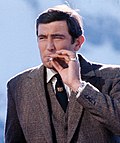 George Lazenby
(1969) Roger Moore
(1973–1985) Timothy Dalton
(1987–1989) Pierce Brosnan
(1995–2002)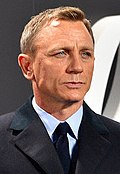 Daniel Craig
(2006–2021)


| Title | Year | Actor | Director |
|---|---|---|---|
| Dr. No | 1962 | Sean Connery | Terence Young |
| From Russia with Love | 1963 | ||
| Goldfinger | 1964 | Guy Hamilton | |
| Thunderball | 1965 | Terence Young | |
| You Only Live Twice | 1967 | Lewis Gilbert | |
| On Her Majesty's Secret Service | 1969 | George Lazenby | Peter R. Hunt |
| Diamonds Are Forever | 1971 | Sean Connery | Guy Hamilton |
| Live and Let Die | 1973 | Roger Moore | |
| The Man with the Golden Gun | 1974 | ||
| The Spy Who Loved Me | 1977 | Lewis Gilbert | |
| Moonraker | 1979 | ||
| For Your Eyes Only | 1981 | John Glen | |
| Octopussy | 1983 | ||
| A View to a Kill | 1985 | ||
| The Living Daylights | 1987 | Timothy Dalton | |
| Licence to Kill | 1989 | ||
| GoldenEye | 1995 | Pierce Brosnan | Martin Campbell |
| Tomorrow Never Dies | 1997 | Roger Spottiswoode | |
| The World Is Not Enough | 1999 | Michael Apted | |
| Die Another Day | 2002 | Lee Tamahori | |
| Casino Royale | 2006 | Daniel Craig | Martin Campbell |
| Quantum of Solace | 2008 | Marc Forster | |
| Skyfall | 2012 | Sam Mendes | |
| Spectre | 2015 | ||
| No Time to Die | 2021 | Cary Joji Fukunaga |
Non-Eon films
In 1967, Casino Royale was adapted into a parody Bond film starring David Niven as Sir James Bond and Ursula Andress as Vesper Lynd. Niven had been Fleming's preference for the role of Bond.[140] The result of a court case in the High Court in London in 1963 allowed Kevin McClory to produce a remake of Thunderball titled Never Say Never Again in 1983.[141] The film, produced by Jack Schwartzman's Taliafilm production company and starring Sean Connery as Bond, was not part of the Eon series of Bond films. In 1997, the Sony Corporation acquired all or some of McClory's rights in an undisclosed deal,[141] which were then subsequently acquired by MGM, whilst on 4 December 1997, MGM announced that the company had purchased the rights to Never Say Never Again from Taliafilm.[142] As of 2015, Eon holds the full adaptation rights to all of Fleming's Bond novels.[141][143]
| Title | Year | Actor | Director(s) |
|---|---|---|---|
| Casino Royale | 1967 | David Niven | Ken Hughes John Huston Joseph McGrath Robert Parrish Val Guest Richard Talmadge |
| Never Say Never Again | 1983 | Sean Connery | Irvin Kershner |
Music
"…cocky, swaggering, confident, dark, dangerous, suggestive, sexy, unstoppable."

The "James Bond Theme" was written by Monty Norman and was first orchestrated by the John Barry Orchestra for 1962's Dr. No, although the actual authorship of the music has been a matter of controversy for many years.[144] In 2001, Norman won £30,000 in libel damages from The Sunday Times newspaper, which suggested that Barry was entirely responsible for the composition.[145] The theme, as written by Norman and arranged by Barry, was described by another Bond film composer, David Arnold, as "bebop-swing vibe coupled with that vicious, dark, distorted electric guitar, definitely an instrument of rock 'n' roll ... it represented everything about the character you would want: It was cocky, swaggering, confident, dark, dangerous, suggestive, sexy, unstoppable. And he did it in two minutes."[146] Barry composed the scores for eleven Bond films[147] and had an uncredited contribution to Dr. No with his arrangement of the "James Bond Theme".[146]
A Bond film staple are the theme songs heard during their title sequences sung by well-known popular singers.[148] Shirley Bassey performed three Bond theme songs, with her 1964 song "Goldfinger" inducted into the Grammy Hall of Fame in 2008.[149] Several of the songs produced for the films have been nominated for Academy Awards for Original Song, including Paul McCartney's "Live and Let Die",[150] Carly Simon's "Nobody Does It Better",[151] Sheena Easton's "For Your Eyes Only",[152] Adele's "Skyfall",[153] Sam Smith's "Writing's on the Wall",[154] and Billie Eilish's "No Time to Die".[155] Adele won the award at the 85th Academy Awards, Smith won at the 88th Academy Awards, and Eilish won at the 94th Academy Awards.[155][156] For the non-Eon produced Casino Royale, Burt Bacharach's score included "The Look of Love" (sung by Dusty Springfield), which was nominated for an Academy Award for Best Original Song.[157]
Video games
In 1983, the first Bond video game James Bond 007, developed and published by Parker Brothers, was released for the Atari 2600, Atari 5200, Atari 8-bit computers, Commodore 64, and ColecoVision.[158] Since then, there have been numerous video games either based on the films or using original storylines. In 1997, the first-person shooter video game GoldenEye 007 was developed by Rare for the Nintendo 64, based on GoldenEye.[159] The game received highly positive reviews,[160] won the BAFTA Interactive Entertainment Award for UK Developer of the Year in 1998,[161] and sold over eight million copies worldwide,[162][163] grossing $250 million,[164] making it the third-best-selling Nintendo 64 game.[165] It is frequently cited as one of the greatest video games of all time.[166][167][168]
In 1999, Electronic Arts acquired the licence and released Tomorrow Never Dies on 16 December 1999.[169] In October 2000, they released The World Is Not Enough[170] for the Nintendo 64[171] followed by 007 Racing for the PlayStation on 21 November 2000.[172] In 2003, the company released James Bond 007: Everything or Nothing,[173] which included the likenesses and voices of Pierce Brosnan, Willem Dafoe, Heidi Klum, Judi Dench and John Cleese, amongst others.[174] In November 2005, Electronic Arts released a video game adaptation of 007: From Russia with Love,[175] which involved Sean Connery's image and voice-over for Bond.[175] In 2006, Electronic Arts announced a game based on then-upcoming film Casino Royale: the game was cancelled because it would not be ready by the film's release in November of that year. With MGM losing revenue from lost licensing fees, the franchise was moved from EA to Activision.[176] Activision subsequently released the 007: Quantum of Solace game on 31 October 2008.[177]
A new version of GoldenEye 007 featuring Daniel Craig was released for the Wii and a handheld version for the Nintendo DS in November 2010.[178] A year later, a new version was released for Xbox 360 and PlayStation 3 under the title GoldenEye 007: Reloaded.[179][180] In October 2012, 007 Legends was released, which featured one mission from each of the Bond actors of the Eon Productions' series.[181] 007 Legends was a critical and commercial failure, resulting in Activision having its licence revoked.[182] In November 2020, IO Interactive announced it would develop a new Bond game, centering on the origin story of the titular agent.[183] The studio worked closely with MGM and Eon Productions.[184][185] The game, titled 007 First Light, was released in May 2026.[186]
Role-playing game
From 1983 to 1987, a licensed tabletop role-playing game, James Bond 007: Role-Playing In Her Majesty's Secret Service, was published by Victory Games (a branch of Avalon Hill) and designed by Gerard Christopher Klug. It was the most popular espionage role-playing game for its time.[187] In addition to providing materials for players to create original scenarios, the game also offered players the opportunity to have adventures modelled after many of the Eon Productions film adaptations, albeit with modifications to provide challenges by preventing players from slavishly imitating Bond's actions in the stories.[187]
Guns, vehicles and gadgets
Guns
For the first five novels, Fleming armed Bond with a Beretta 418[188] until he received a letter from a thirty-one-year-old Bond enthusiast and gun expert, Geoffrey Boothroyd, criticising Fleming's choice of firearm for Bond,[189] calling it "a lady's gun—and not a very nice lady at that!"[190] Boothroyd suggested that Bond should swap his Beretta for a 7.65mm Walther PPK and this exchange of arms made it to Dr. No.[191] Boothroyd also gave Fleming advice on the Berns-Martin triple draw shoulder holster and a number of the weapons used by SMERSH and other villains.[192] In thanks, Fleming gave the MI6 Armourer in his novels the name Major Boothroyd and, in Dr. No, M, the Chief of the Secret Intelligence Service, introduces him to Bond as "the greatest small-arms expert in the world".[191] Bond also used a variety of rifles, including the Savage Model 99 in "For Your Eyes Only" and a Winchester .308 target rifle in "The Living Daylights".[188] Other handguns used by Bond in the Fleming books included the Colt Detective Special and a long-barrelled Colt .45 Army Special.[188]
The first Bond film, Dr. No, saw M (Bernard Lee) ordering Bond (Sean Connery) to leave his Beretta behind and take up the Walther PPK,[193] which Bond used in eighteen films.[194] In Tomorrow Never Dies and the two subsequent films, Bond's main weapon was the Walther P99 semi-automatic pistol.[194]
Vehicles

In the early Bond stories Fleming gave Bond a battleship-grey Bentley 4+1⁄2 Litre with an Amherst Villiers supercharger.[195] After Bond's car was written off by Hugo Drax in Moonraker, Fleming gave Bond a Mark II Continental Bentley, which he used in the remaining books of the series.[196] During Goldfinger, Bond was issued an Aston Martin DB Mark III with a homing device, which he used to track Goldfinger across France. Bond returned to his Bentley for the subsequent novels.[196]
The Bond of the films has driven a number of cars, including the Aston Martin V8 Vantage,[197] during the 1980s, the V12 Vanquish[197] and DBS[198] during the 2000s, as well as the Lotus Esprit;[199] the BMW Z3,[200] BMW 750iL[200] and the BMW Z8.[200] He has, however, also needed to drive a number of other vehicles, ranging from a Citroën 2CV to a Routemaster Bus, amongst others.[201]
Bond's most famous car is the silver grey Aston Martin DB5, first seen in Goldfinger;[202] it later featured in Thunderball, GoldenEye, Tomorrow Never Dies, Casino Royale, Skyfall and Spectre.[203][204] The films have used a number of different Aston Martins for filming and publicity, one of which was sold in January 2006 at an auction in the US for $2.1 million to an unnamed European collector.[205] In 2010, another DB5 used in Goldfinger was sold at auction for $4.6m million (£2.6 million).[206]
Gadgets

Fleming's novels and early screen adaptations presented minimal equipment such as the booby-trapped attaché case in From Russia, with Love, although this situation changed dramatically with the films.[207] However, the effects of the two Eon-produced Bond films Dr. No and From Russia with Love had an effect on the novel The Man with the Golden Gun, through the increased number of devices used in Fleming's final story.[208]
For the film adaptations of Bond, the pre-mission briefing by Q Branch became one of the motifs that ran through the series.[209] Dr. No provided no spy-related gadgets, but a Geiger counter was used; industrial designer Andy Davey observed that the first ever onscreen spy-gadget was the attaché case shown in From Russia with Love, which he described as "a classic 007 product".[210] The gadgets assumed a higher profile in the 1964 film Goldfinger. The film's success encouraged further espionage equipment from Q Branch to be supplied to Bond, although the increased use of technology led to an accusation that Bond was over-reliant on equipment, particularly in the later films.[211]
"If it hadn't been for Q Branch, you'd have been dead long ago!"
Davey noted that "Bond's gizmos follow the zeitgeist more closely than any other ... nuance in the films"[210] as they moved from the potential representations of the future in the early films, through to the brand-name obsessions of the later films.[210] It is also noticeable that, although Bond uses a number of pieces of equipment from Q Branch, including the Little Nellie autogyro,[212] a jet pack[213] and the exploding attaché case,[214] the villains are also well-equipped with custom-made devices,[210] including Francisco Scaramanga (Chistopher Lee)'s golden gun,[215] Rosa Klebb (Lotte Lenya)'s poison-tipped shoes,[216] Oddjob (Harold Sakata)'s steel-rimmed bowler hat[217] and Blofeld (Telly Savalas)'s communication devices in his agents' vanity case.[210]
Cultural impact

Cinematically, Bond has been a major influence within the spy genre since the release of Dr. No in 1962,[218] with 22 secret agent films released in 1966 alone attempting to capitalise on the Bond franchise's popularity and success.[219] The first parody was the 1964 film Carry On Spying, which shows the villain Dr. Crow (Judith Furse) being overcome by agents who included James Bind (Charles Hawtry) and Daphne Honeybutt (Barbara Windsor).[220] One of the films that reacted against the portrayal of Bond was the Harry Palmer series, whose first film, The Ipcress File, starring Michael Caine, was released in 1965. The eponymous hero is a rough-edged, petty crook turned spy, and was what academic Jeremy Packer called an "anti-Bond",[221] or what Christoph Lindner calls "the thinking man's Bond".[222] The Palmer series were produced by Harry Saltzman, who also used key crew members from the Bond series, including designer Ken Adam, editor Peter R. Hunt and composer John Barry.[223] The four Matt Helm films starring Dean Martin (released between 1966 and 1969),[224] the Flint series starring James Coburn (comprising two films, one each in 1966 and 1967),[225] while The Man from U.N.C.L.E. also moved onto the cinema screen, with eight films released: all were testaments to Bond's prominence in popular culture.[147] More recently, the Austin Powers series by writer, producer and comedian Mike Myers,[226] and other parodies such as the Johnny English trilogy of films,[227] have also used elements from or parodied the Bond films.

Following the release of the film Dr. No in 1962, the line "Bond ... James Bond", became a catch phrase that entered the lexicon of Western popular culture: writers John Cork and Bruce Scivally said of the introduction in Dr. No that the "signature introduction would become the most famous and loved film line ever".[228] In 2001, it was voted as the "best-loved one-liner in cinema" by British cinema goers,[229] and in 2005, it was honoured as the 22nd greatest quotation in cinema history by the American Film Institute as part of their 100 Years Series.[230] A 2024 survey by online investment advisor and digital wealth management company MoneyFarm found that 70 per cent of Brits said they associated the word "bond" with James Bond, rather than the savings product of the same name.[231]
The 2005 American Film Institute's 100 Years series recognised the character of James Bond himself as the third greatest film hero.[232] He was also placed at number 11 on a similar list by Empire[233] and as the fifth greatest movie character of all time by Premiere.[234] In 1965, Time magazine observed "James Bond has developed into the biggest mass-cult hero of the decade".[235]

The 25 James Bond films produced by Eon are the longest continually running film series of all time, and including the two non Eon produced films, the 27 Bond films have grossed over $7.04 billion in total, making it the sixth-highest-grossing franchise to date. It is estimated that since Dr. No, a quarter of the world's population have seen at least one Bond film.[236] The UK Film Distributors' Association have stated that the importance of the Bond series of films to the British film industry cannot be overstated, as they "form the backbone of the industry".[237]
Television also saw the effect of Bond films, with the NBC series The Man from U.N.C.L.E.,[238] which was described as the "first network television imitation" of Bond,[239] largely because Fleming provided advice and ideas on the development of the series, even giving the main character played by Robert Vaughn the name Napoleon Solo.[240] Other 1960s television series inspired by Bond include I Spy,[225] and Get Smart.[241]
Considered a British cultural icon, James Bond had become such a symbol of the United Kingdom that the character, played by Craig, appeared in the opening ceremony of the 2012 London Olympics as Queen Elizabeth II's escort.[242][243] From 1968 to 2003, and since 2016, the Cadbury chocolate box Milk Tray has been advertised by the 'Milk Tray Man', a tough James Bond–style figure who undertakes daunting 'raids' to surreptitiously deliver a box of Milk Tray chocolates to a lady.[244][245] Bond has been commemorated numerous times on a UK postage stamp issued by the Royal Mail, most recently in their March 2020 series to mark the 25th Bond film release.[246]
Throughout the life of the film series, a number of tie-in products have been released.[247] "Bondmania", a term deriving from the adjacent "Beatlemania" and initiated in 1964 following the enormous success of Goldfinger, described the clamour for Bond films and their related products, from soundtrack LPs to children's toys, board games, alarm clocks playing the Bond theme, and 007-branded shirts.[248][249] In 2018, a James Bond museum opened atop the Austrian Alps.[250] The futuristic museum is constructed on the summit of Gaislachkogl Mountain in Sölden at 10,000 ft (3,048 m) above sea level.[251][252]
The real MI6 has an ambiguous relationship with Bond. The films may attract job applicants who may be unsuited for espionage, while dissuading more-qualified candidates.[253] While serving as Chief of SIS, Alex Younger said that were Bond to apply for an MI6 job "he would have to change his ways". Younger said, however, that the franchise had "created a powerful brand for MI6 ... Many of our counterparts envy the sheer global recognition of our acronym",[254] and that being depicted to global audiences as a "ubiquitous intelligence presence" was "quite a force multiplier". The Russian Federal Security Service so envied Bond that it created an annual award for fictional depictions of Russian spies.[253]
Public reception
The James Bond franchise enjoys widespread popularity across the world. In 2014, it was estimated that approximately 20% of the world's population has watched at least one Bond film.[255]
In 2012, the polling organisation YouGov conducted a survey of American Bond fans, categorising responses by age, sex and political affiliation. All groups selected Sean Connery as their favourite Bond actor.[256] A 2018 poll found that 47% of American adults had seen at least one Bond film, with 27% having seen every film.[257]
Queen Elizabeth II met the first six actors to play James Bond on the screen. She met Connery at the world premiere of You Only Live Twice in 1967, and, according to the royal biographer Gyles Brandreth: "She really did love all the early James Bond films", preferring the earlier films, "before they got so loud".[258] Several prominent politicians have also been fans of the franchise, including John F. Kennedy, Ronald Reagan and Kim Jong Il.[259][260]
Criticisms
The James Bond character and related media have received a number of criticisms and reactions across the political spectrum, and are still highly debated in popular culture studies.[261][262] Some observers accuse the Bond novels and films of misogyny and sexism.[263][264] In September 2021, No Time to Die director Cary Fukunaga described Sean Connery's version of Bond as 'basically a rapist'.[265] The franchise has on occasion also been a target of religious criticism. In 1962, Vatican City's official newspaper L'Osservatore Romano condemned the film Dr. No, referring to it as "a dangerous mixture of violence, vulgarity, sadism and sex".[266] However, in 2012, the newspaper went on to give positive reviews to the film Skyfall.[267]
Geographers have considered the role of exotic locations in the movies in the dynamics of the Cold War, with power struggles among blocs playing out in the peripheral areas.[268] Other critics claim that the Bond films reflect imperial nostalgia.[269][270]
Censorship and alterations
Bans and censorship by country
Several James Bond novels, films, and video games have been banned, censored, or altered in several countries.
| Release year | Title | Country | Notes |
|---|---|---|---|
| Novels | |||
| 1954 | Live and Let Die | Republic of Ireland | Banned in 1954.[271] |
| 1957 | Dr. No | Francoist Spain | Under Francoist Spain, the final pages of Dr. No were cut entirely, due to sexual references. The censored editions are still sometimes reproduced in Spain today, often unknowingly.[272] |
| Various | All titles | Soviet Union | All Bond novels were banned during the existence of the Soviet Union. Russian newspaper the Komsomolskaya Pravda condemned the series, describing it as being set in a "nightmarish world where laws are written at the point of a gun, where coercion and rape is considered valour and murder is a funny trick".[273] |
| Films | |||
| Various | All titles | Soviet Union | All Bond films were banned during the existence of the Soviet Union.[273] |
| 1964 | Goldfinger | Israel | In December 1965, shortly after its release in the country, Israel banned the film Goldfinger, after discovering actor Gert Fröbe's past association with the Nazi Party.[274] The ban was lifted two months later, in February 1966, after the Israel Film Censorship Board found evidence that Fröbe had quit the Nazi Party in 1937. Additionally, the film's producers were believed to have made appeals to Israel to lift the ban, and because Israeli public demand to see the popular film was high, the reversal on the ban was made.[275] |
| 2012 | Skyfall | People's Republic of China | In 2007, China gave permission for the 2006 film Casino Royale to play uncensored in the nation. It was the first Bond film to gain a release unaltered in the country,[276] followed by Quantum of Solace.[277]
However, Skyfall was released in an edited version, after cutting a torture scene, altering subtitles, and removing references to prostitution in the film.[278] |
| 2015 | Spectre | India | In 2015, Spectre was released censored in India, after the Central Board of Film Certification ordered kissing scenes in the film be trimmed by 50%.[279] |
| Video games | |||
| 1997 | GoldenEye 007 | Germany | In 1997, Germany banned the video game GoldenEye 007, with the German Federal Review Board placing it on their List of Media Harmful to Minors. The ban was lifted in 2021.[280] |
2023 changes
In February 2023, Ian Fleming Publications (which administers all Fleming's literary works), edited the Bond series as part of a sensitivity review. The April 2023 re-releases of the series are planned to tie into the 70th anniversary of Casino Royale. The new editions remove a number of references to race, including some slurs, along with some disparagements of women and homosexuality.[281] They include a disclaimer added at the beginning of each book, reading:
This book was written at a time when terms and attitudes which might be considered offensive by modern readers were commonplace. A number of updates have been made in this edition, while keeping as close as possible to the original text and the period in which it is set.[282]
The decision was met with strong criticism by media outlets and public commentators, who condemned the changes as literary censorship.[288] The View host Whoopi Goldberg expressed her opposition, arguing that offensive historical literature should be left unaltered;[289] while National Review contributors Charles C. W. Cooke and Douglas Murray attacked the changes as excessive political correctness.[290][291] Fleming's biographer Andrew Lycett also opposed the changes, writing that "what an author commits to paper is sacrosanct and shouldn't be altered ...The only changes to the text should come from the author."[292]
See also
- 9007 James Bond, asteroid named after the character
- Spy music
References
- 1 2 3 4 Macintyre, Ben (5 April 2008). "Bond – the real Bond". The Times. p. 36.
- ↑ "Obituary: Colonel Peter Fleming, Author and explorer". The Times. 20 August 1971. p. 14.
- ↑ Hall, Chris (22 March 2020). "From the archive: the real James Bond, 1973". The Guardian. Retrieved 28 February 2023.
- ↑ "James Bond, Ornithologist, 89; Fleming Adopted Name for 007". The New York Times. 17 February 1989. Archived from the original on 2 May 2019. Retrieved 22 August 2019.
- ↑ Hellman, Geoffrey T. (21 April 1962). "Bond's Creator". The New Yorker. p. 32. section "Talk of the Town". Archived from the original on 21 January 2012. Retrieved 9 September 2011.
- ↑ Chancellor 2005, p. 112.
- 1 2 Macintyre 2008, p. 67.
- ↑ Macintyre 2008, p. 50.
- ↑ Cook, William (28 June 2004). "Novel man". New Statesman. p. 40.
- ↑ Macintyre 2008, p. 205.
- ↑ Chancellor 2005, p. 59.
- ↑ Pearson 2008, p. 21.
- ↑ Griswold 2006, p. 27.
- ↑ Barnard, G.; Wroblewski, C. (2024). Sabotage!. Grub Street Publications. ISBN 978-1911714156.
- ↑ Urbanski, P. J. (2024). Living with James Bond. Amazon/Independent. ISBN 979-8335900591.
- ↑ Zablocki, Peter (2024). The Death of General Sikorski. Pen and Sword.
- ↑ Macintyre 2008, p. 208.
- ↑ Lycett, Andrew (2004). "Fleming, Ian Lancaster (1908–1964) (subscription needed)". Oxford Dictionary of National Biography (online ed.). Oxford University Press. doi:10.1093/ref:odnb/33168. Retrieved 7 September 2011. (Subscription, Wikipedia Library access or UK public library membership required.)
- ↑ Chancellor 2005, p. 4.
- 1 2 Chancellor 2005, p. 5.
- ↑ Bennett & Woollacott 2003, p. 1, ch 1.
- ↑ Black 2005, p. 75.
- ↑ "Casino Royale". The Books. Ian Fleming Publications. Archived from the original on 17 March 2012. Retrieved 31 October 2011.
- ↑ "Live and Let Die". The Books. Ian Fleming Publications. Archived from the original on 17 March 2012. Retrieved 31 October 2011.
- ↑ "Moonraker". The Books. Ian Fleming Publications. Archived from the original on 16 September 2011. Retrieved 31 October 2011.
- ↑ "Diamonds are Forever". The Books. Ian Fleming Publications. Archived from the original on 17 March 2012. Retrieved 31 October 2011.
- ↑ "From Russia, with Love". The Books. Ian Fleming Publications. Archived from the original on 1 April 2012. Retrieved 31 October 2011.
- ↑ "Dr. No". The Books. Ian Fleming Publications. Archived from the original on 27 December 2010. Retrieved 31 October 2011.
- ↑ "Goldfinger". The Books. Ian Fleming Publications. Archived from the original on 27 December 2010. Retrieved 31 October 2011.
- ↑ "For Your Eyes Only". The Books. Ian Fleming Publications. Archived from the original on 27 December 2010. Retrieved 31 October 2011.
- ↑ "Thunderball". The Books. Ian Fleming Publications. Archived from the original on 27 December 2010. Retrieved 31 October 2011.
- ↑ "The Spy Who Loved Me". The Books. Ian Fleming Publications. Archived from the original on 27 December 2010. Retrieved 31 October 2011.
- ↑ "On Her Majesty's Secret Service". The Books. Ian Fleming Publications. Archived from the original on 27 December 2010. Retrieved 31 October 2011.
- ↑ "You Only Live Twice". The Books. Ian Fleming Publications. Archived from the original on 3 March 2012. Retrieved 31 October 2011.
- ↑ "The Man with the Golden Gun". The Books. Ian Fleming Publications. Archived from the original on 27 December 2010. Retrieved 31 October 2011.
- ↑ "Octopussy and The Living Daylights". The Books. Ian Fleming Publications. Archived from the original on 7 September 2011. Retrieved 31 October 2011.
- ↑ "Colonel Sun". The Books. Ian Fleming Publications. Archived from the original on 27 December 2010. Retrieved 2 November 2011.
- ↑ Benson 1988, p. 32.
- 1 2 3 4 5 6 "Film Novelizations". The Books. Ian Fleming Publications. Archived from the original on 18 September 2011. Retrieved 2 November 2011.
- ↑ Simpson 2002, p. 58.
- ↑ Benson 1988, p. 149.
- ↑ Ripley, Mike (2 November 2007). "Obituary: John Gardner: Prolific thriller writer behind the revival of James Bond and Professor Moriarty". The Guardian. p. 41. Archived from the original on 15 April 2023. Retrieved 14 November 2011.
- ↑ "Licence Renewed". The Books. Ian Fleming Publications. Archived from the original on 27 December 2010. Retrieved 3 November 2011.
- ↑ "For Special Services". The Books. Ian Fleming Publications. Archived from the original on 27 December 2010. Retrieved 3 November 2011.
- ↑ "Ice Breaker". The Books. Ian Fleming Publications. Archived from the original on 27 December 2010. Retrieved 3 November 2011.
- ↑ "Role Of Honour". The Books. Ian Fleming Publications. Archived from the original on 27 December 2010. Retrieved 3 November 2011.
- ↑ "Nobody Lives Forever". The Books. Ian Fleming Publications. Archived from the original on 27 December 2010. Retrieved 3 November 2011.
- ↑ "No Deals Mr Bond". The Books. Ian Fleming Publications. Archived from the original on 27 December 2010. Retrieved 3 November 2011.
- ↑ "Scorpius". The Books. Ian Fleming Publications. Archived from the original on 27 December 2010. Retrieved 3 November 2011.
- ↑ "Win, Lose Or Die". The Books. Ian Fleming Publications. Archived from the original on 27 December 2010. Retrieved 3 November 2011.
- ↑ "Brokenclaw". The Books. Ian Fleming Publications. Archived from the original on 27 December 2010. Retrieved 3 November 2011.
- ↑ "The Man From Barbarossa". The Books. Ian Fleming Publications. Archived from the original on 27 December 2010. Retrieved 3 November 2011.
- ↑ "Death is Forever". The Books. Ian Fleming Publications. Archived from the original on 8 October 2011. Retrieved 3 November 2011.
- ↑ "Never Send Flowers". The Books. Ian Fleming Publications. Archived from the original on 27 December 2010. Retrieved 3 November 2011.
- ↑ "Seafire". The Books. Ian Fleming Publications. Archived from the original on 27 December 2010. Retrieved 3 November 2011.
- ↑ "Cold". The Books. Ian Fleming Publications. Archived from the original on 27 December 2010. Retrieved 3 November 2011.
- ↑ Raymond Benson. "Books – At a Glance". RaymondBenson.com. Archived from the original on 27 November 2011. Retrieved 3 November 2011.
- ↑ "Raymond Benson". The Books. Ian Fleming Publications. Archived from the original on 27 December 2010. Retrieved 3 November 2011.
- ↑ Simpson 2002, p. 62.
- ↑ "Zero Minus Ten". The Books. Ian Fleming Publications. Archived from the original on 27 December 2010. Retrieved 3 November 2011.
- ↑ "The Facts Of Death". The Books. Ian Fleming Publications. Archived from the original on 27 December 2010. Retrieved 3 November 2011.
- ↑ Simpson 2002, p. 63.
- ↑ Simpson 2002, p. 64.
- ↑ "High Time To Kill". The Books. Ian Fleming Publications. Archived from the original on 27 December 2010. Retrieved 3 November 2011.
- ↑ "Doubleshot". The Books. Ian Fleming Publications. Archived from the original on 27 December 2010. Retrieved 3 November 2011.
- ↑ "Never Dream Of Dying". The Books. Ian Fleming Publications. Archived from the original on 27 December 2010. Retrieved 3 November 2011.
- ↑ "The Man With The Red Tattoo". The Books. Ian Fleming Publications. Archived from the original on 27 December 2010. Retrieved 3 November 2011.
- ↑ "Faulks pens new James Bond novel". BBC News. 11 July 2007. Archived from the original on 12 February 2009. Retrieved 3 November 2011.
- ↑ "Sebastian Faulks". The Books. Ian Fleming Publications. Archived from the original on 27 December 2010. Retrieved 3 November 2011.
- ↑ "James Bond book called Carte Blanche". BBC News. 17 January 2011. Archived from the original on 19 March 2012. Retrieved 3 November 2011.
- ↑ "Jeffery Deaver". The Books. Ian Fleming Publications. Archived from the original on 15 April 2012. Retrieved 3 November 2011.
- ↑ "Solo Published Today". Ian Fleming Publications. 26 September 2013. Archived from the original on 4 October 2013. Retrieved 1 October 2013.
- ↑ Singh, Anita (2 October 2014). "James Bond's secret mission: to save Stirling Moss". The Daily Telegraph. Archived from the original on 10 January 2022. Retrieved 6 November 2015.
- ↑ "James Bond: Pussy Galore returns in new novel". BBC News. BBC. 28 May 2015. Archived from the original on 13 May 2023. Retrieved 28 May 2015.
- ↑ Flood, Alison (28 May 2015). "New James Bond novel Trigger Mortis resurrects Pussy Galore". The Guardian. Archived from the original on 8 June 2023. Retrieved 28 May 2015.
- ↑ Furness, Hannah (28 May 2015). "Pussy Galore returns for new James Bond novel Trigger Mortis". The Daily Telegraph. Archived from the original on 10 January 2022. Retrieved 6 November 2015.
- ↑ "Forever and a Day". IanFleming.com. Ian Fleming Publications. 8 February 2018. Archived from the original on 18 February 2019. Retrieved 16 February 2019.
- ↑ "New James Bond Novel Is a Prequel to Fleming's First". The New York Times. 12 February 2018. Archived from the original on 3 January 2022. Retrieved 16 February 2019.
- ↑ "New Horowitz Bond Title and Cover Revealed". IanFleming.com. Ian Fleming Publications. 16 December 2021. Archived from the original on 16 December 2021. Retrieved 16 December 2021.
- ↑ Ramachandran, Naman (31 March 2023). "New James Bond Story 'On His Majesty's Secret Service' Commissioned to Celebrate King Charles' Coronation". Variety. Archived from the original on 5 May 2023. Retrieved 5 May 2023.
- ↑ Smith, Neil (3 March 2005). "The name's Bond – Junior Bond". BBC News. Archived from the original on 30 May 2008. Retrieved 1 November 2011.
- ↑ "Charlie Higson". Puffin Books – Authors. Penguin Books. Archived from the original on 9 March 2011. Retrieved 1 November 2011.
- ↑ "SilverFin: The Graphic Novel". Puffin Books. Penguin Books. Archived from the original on 1 November 2012. Retrieved 1 November 2011.
- ↑ "New Young Bond Series in 2014". Ian Fleming Publications. 9 October 2013. Archived from the original on 14 October 2013. Retrieved 11 October 2013.
- ↑ "Young Bond: SilverFin". Puffin Books: Charlie Higson. Penguin Books. Archived from the original on 30 October 2012. Retrieved 2 November 2011.
- ↑ "Young Bond: Blood Fever". Puffin Books: Charlie Higson. Penguin Books. Archived from the original on 30 October 2012. Retrieved 2 November 2011.
- ↑ "Young Bond: Double or Die". Puffin Books: Charlie Higson. Penguin Books. Archived from the original on 1 November 2012. Retrieved 2 November 2011.
- ↑ "Young Bond: Hurricane Gold". Puffin Books: Charlie Higson. Penguin Books. Archived from the original on 30 October 2012. Retrieved 2 November 2011.
- ↑ "Young Bond: By Royal Command". Puffin Books: Charlie Higson. Penguin Books. Retrieved 2 November 2011.[dead link]
- ↑ "SilverFin: The (Graphic Novel)". Puffin Books: Charlie Higson. Penguin Books. Archived from the original on 1 November 2012. Retrieved 2 November 2011.
- ↑ "Danger Society: The Young Bond Dossier". Puffin Books: Charlie Higson. Penguin Books. Archived from the original on 1 November 2012. Retrieved 2 November 2011.
- ↑ "Miss Moneypenny". Evening Standard. 14 October 2005. p. 10.
- ↑ O'Connell, John (12 October 2005). "Books – Review – The Moneypenny Diaries – Kate Westbrook (ed) – John Murray GBP 12.99". Time Out. p. 47.
- ↑ Weinberg, Samantha (11 November 2006). "Licensed to thrill". The Times. p. 29.
- ↑ Saunders, Kate (10 May 2008). "The Moneypenny Diaries: Final Fling". The Times. p. 13.
- ↑ "Guardian Angel". The Books. Ian Fleming Publications. Archived from the original on 8 October 2011. Retrieved 2 November 2011.
- ↑ "Secret Servant". The Books. Ian Fleming Publications. Archived from the original on 8 October 2011. Retrieved 2 November 2011.
- ↑ "Final Fling". The Books. Ian Fleming Publications. Archived from the original on 27 December 2010. Retrieved 2 November 2011.
- ↑ 1634–1699: McCusker, J. J. (1997). How Much Is That in Real Money? A Historical Price Index for Use as a Deflator of Money Values in the Economy of the United States: Addenda et Corrigenda (PDF). American Antiquarian Society. 1700–1799: McCusker, J. J. (1992). How Much Is That in Real Money? A Historical Price Index for Use as a Deflator of Money Values in the Economy of the United States (PDF). American Antiquarian Society. 1800–present: Federal Reserve Bank of Minneapolis. "Consumer Price Index (estimate) 1800–". Retrieved 29 February 2024.
- ↑ Black 2005, p. 14.
- ↑ Benson 1988, p. 11.
- ↑ Black 2005, p. 101.
- ↑ "Mainly Millicent: Roger Moore's First Appearance as James Bond". 16 January 2015. Archived from the original on 21 August 2024. Retrieved 21 August 2024.
- ↑ Radio Times, 6–12 October 1973, pp. 74–79
- ↑ Svetkey, Benjamin (29 May 1992). "Sweet Baby James". Entertainment Weekly. Archived from the original on 20 October 2012. Retrieved 4 November 2011.
- ↑ Rantala, Hanna (8 November 2023). "New TV show 007: Road To A Million brings Bond-like tasks to screens". Reuters. Archived from the original on 11 November 2023. Retrieved 16 January 2024.
- ↑ "Book Review: The Many Lives of James Bond". James Bond Radio. 18 November 2019. Archived from the original on 4 December 2019. Retrieved 4 December 2019.
- ↑ Edlitz, Mark (2019). The Many Lives of James Bond: How the Creators of 007 Have Decoded the Superspy. Lyons Press. p. 148. ISBN 978-1493041565.
- ↑ Roberts, Andrew (8 November 2006). "The Bond bunch". The Independent. p. 14.
- ↑ "James Bond – You Only Live Twice". BBC Radio 4 Extra. BBC. Archived from the original on 4 January 2012. Retrieved 21 October 2011.
- ↑ "007 villain to play Bond on radio". BBC. 2 May 2008. Archived from the original on 16 March 2016. Retrieved 6 October 2011.
- ↑ Hemley, Matthew (13 October 2009). "James Bond to return to radio as Goldfinger is adapted for BBC". The Stage Online. Archived from the original on 11 June 2011. Retrieved 19 March 2010.
- ↑ "Goldfinger". Saturday Play. BBC. Archived from the original on 12 January 2012. Retrieved 3 October 2011.
- ↑ "Saturday Drama: From Russia With Love". BBC Radio 4. BBC. Archived from the original on 19 December 2016. Retrieved 20 August 2012.
- ↑ "Saturday Drama: On Her Majesty's Secret Service". BBC. BBC. Archived from the original on 6 May 2014. Retrieved 30 June 2014.
- ↑ Jütting 2007, p. 6.
- ↑ Lycett 1996, p. 316.
- 1 2 Simpson 2002, p. 21.
- 1 2 Fleming, Gammidge & McLusky 1988, p. 6.
- ↑ Jütting 2007, p. 7.
- 1 2 3 4 Conroy 2004, p. 293.
- ↑ Evanier, Mark (3 December 2006). "Secrets Behind the Comics". NewsFromme.com. Archived from the original on 21 October 2011. Retrieved 4 November 2011.
- ↑ Pfeiffer & Worrall 1998, p. 131.
- 1 2 Thompson, Frankenhoff & Bickford 2010, p. 368.
- ↑ "Bond Violence Gets Artistic 'Licence'". The Palm Beach Post. 28 July 1989.
- ↑ "How Dynamite's New James Bond Comic Creates a 007 We Haven't Seen Before". Screencrush. 6 November 2016. Archived from the original on 5 January 2020. Retrieved 16 May 2019.
- ↑ Sutton, Mike. "Dr. No (1962)". Screenonline. British Film Institute. Archived from the original on 3 March 2016. Retrieved 4 November 2011.
- ↑ "You Only Live Twice". TCM. Turner Entertainment Networks, Inc. Archived from the original on 6 February 2012. Retrieved 2 August 2011.
- ↑ "On Her Majesty's Secret Service (1969)". Screenonline. British Film Institute. Archived from the original on 3 March 2016. Retrieved 4 November 2011.
- ↑ Feeney Callan 2002, p. 217.
- ↑ Simpson 2002, p. 81.
- ↑ Robey, Tim (12 January 2011). "Sam Mendes may have problems directing new James Bond movie". The Daily Telegraph. Archived from the original on 10 January 2022. Retrieved 4 November 2011.
- ↑ Pallotta, Frank. "Daniel Craig confirms return as James Bond". CNNMoney. Archived from the original on 16 August 2017. Retrieved 21 August 2018.
- ↑ "Movie Franchises". The Numbers. Nash Information Services. Archived from the original on 16 December 2021. Retrieved 12 March 2021.
- ↑ Goldsmith, Jill (17 March 2022). "Amazon And MGM Close $8.5 Billion Merger". Deadline. Archived from the original on 17 March 2022. Retrieved 27 February 2025.
- ↑ Weprin, Alex & Borys Kit (26 February 2025). "James Bond and the Mad Dash for Franchise IP". Deadline. Archived from the original on 8 February 2026. Retrieved 27 February 2025.
- ↑ Galuppo, Mia (25 March 2025). "Amy Pascal, David Heyman Close Deals to Produce Next James Bond Movie for Amazon MGM". The Hollywood Reporter. Archived from the original on 25 March 2025. Retrieved 25 March 2025.
- ↑ Grobar, Matt (25 June 2025). "Denis Villeneuve Directing Next James Bond Film". Deadline. Archived from the original on 4 September 2025. Retrieved 28 August 2025.
- ↑ Kroll, Justin (31 July 2025). "Next James Bond Pic At Amazon MGM Studios To Be Penned By Steven Knight". Deadline. Archived from the original on 9 August 2025. Retrieved 28 August 2025.
- ↑ Macintyre 2008, p. 202.
- 1 2 3 Poliakoff, Keith (2000). "License to Copyright – The Ongoing Dispute Over the Ownership of James Bond" (PDF). Cardozo Arts & Entertainment Law Journal. 18. Benjamin N. Cardozo School of Law: 387–436. Archived from the original (PDF) on 31 March 2012. Retrieved 3 September 2011.
- ↑ "Metro-Goldwyn-Mayer Inc. announces acquisition of Never Say Never Again James Bond assets" (Press release). Metro-Goldwyn-Mayer. 4 December 1997. Archived from the original on 5 May 2008. Retrieved 4 November 2011.
- ↑ Shprintz, Janet (29 March 1999). "Big Bond-holder". Variety. Archived from the original on 9 November 2012. Retrieved 4 November 2011.
Judge Rafeedie ... found that McClory's rights in the "Thunderball" material had reverted to the estate of Fleming
- ↑ Lindner 2009, p. 122.
- ↑ "Monty Norman sues for libel". Bond theme writer wins damages. BBC News. 19 March 2001. Archived from the original on 19 July 2004. Retrieved 4 November 2011.
- 1 2 Burlingame, Jon (3 November 2008). "Bond scores establish superspy template". Daily Variety. Archived from the original on 9 November 2012. Retrieved 4 November 2011.
- 1 2 Chapman 2009, pp. 97–98.
- ↑ Simpson 2002, p. 224.
- ↑ "Grammy Hall of Fame Award Archived 7 July 2015 at the Wayback Machine. Grammy.org. Retrieved 28 July 2022
- ↑ "The 46th Academy Awards (1974) Nominees and Winners". Oscar Legacy. Academy of Motion Picture Arts and Sciences. Archived from the original on 2 April 2015. Retrieved 27 October 2011.
- ↑ "The 50th Academy Awards (1978) Nominees and Winners". Oscar Legacy. Academy of Motion Picture Arts and Sciences. Retrieved 27 October 2011.
{{cite web}}: CS1 maint: deprecated archival service (link) - ↑ "The 54th Academy Awards (1982)". Oscar Legacy. Academy of Motion Picture Arts and Sciences. Archived from the original on 11 November 2014. Retrieved 27 October 2011.
- ↑ "2013 Oscars Nominees". oscars. January 2013. Archived from the original on 29 December 2012. Retrieved 10 January 2013.
- ↑ Ford, Rebecca (14 January 2016). "Oscar Nominations: The Complete List". The Hollywood Reporter. Archived from the original on 21 January 2016. Retrieved 7 May 2016.
- 1 2 "The 94th Academy Awards | 2022". Academy of Motion Picture Arts and Sciences. Archived from the original on 25 March 2022. Retrieved 28 March 2022.
- ↑ Copsey, Rob (29 February 2016). "Sam Smith wins Oscar for his James Bond Spectre theme song". Official Charts Company. Archived from the original on 2 March 2016. Retrieved 7 May 2016.
- ↑ "The 40th Academy Awards (1968)". Oscar Legacy. Academy of Motion Picture Arts and Sciences. Archived from the original on 2 April 2015. Retrieved 4 November 2011.
- ↑ Backe, Hans-Joachim. "Narrative Feedback: Computer games, comics, and the James Bond Franchise" (PDF). Ruhr University Bochum. Archived (PDF) from the original on 14 April 2012. Retrieved 14 November 2011.
- ↑ Greg Sewart. "GoldenEye 007 review". Gaming Age Online. Archived from the original on 6 October 2010. Retrieved 4 November 2011.
- ↑ "GoldenEye 007 Reviews". gamerankings.com. Archived from the original on 29 January 2009. Retrieved 4 November 2011.
- ↑ "Rare: Company". Microsoft Corporation. Archived from the original on 16 December 2011. Retrieved 4 November 2011.
- ↑ Martin Hollis (2 September 2004). "The Making of GoldenEye 007". Zoonami. Archived from the original on 18 July 2011. Retrieved 22 December 2011.
- ↑ "Microsoft Acquires Video Game Powerhouse Rare Ltd". Microsoft News Center. 24 September 2002. Archived from the original on 21 February 2016. Retrieved 28 August 2011.
- ↑ Crandall, Robert W.; Sidak, J. Gregory. "Video Games: Serious Business for America's Economy" (PDF). Entertainment Software Association. pp. 39–40. Archived from the original (PDF) on 3 February 2013. Retrieved 4 November 2011.
- ↑ Serafino, Jay (26 September 2016). "10 Game-Changing Facts About the Nintendo 64". Mental Floss. Dennis Publishing. Archived from the original on 25 April 2017. Retrieved 24 April 2017.
- ↑ "The 50 best games". The Age. 6 October 2005. Archived from the original on 10 March 2018. Retrieved 9 March 2018.
- ↑ "The 100 Greatest Games Of All Time". www.empireonline.com. Empire. 2009. Archived from the original on 15 May 2011.
- ↑ "We rank the 100 greatest videogames". Entertainment Weekly. 13 May 2003. Archived from the original on 9 March 2018. Retrieved 8 March 2018.
- ↑ "007: Tomorrow Never Dies". IGN. Archived from the original on 1 July 2011. Retrieved 4 November 2011.
- ↑ King & Krzywinska 2002, p. 183.
- ↑ "The World Is Not Enough". Video Games. Eurocom Developments. Archived from the original on 30 September 2011. Retrieved 4 November 2011.
- ↑ "007 Racing Review". IGN. Archived from the original on 4 April 2012. Retrieved 4 November 2011.
- ↑ "James Bond 007: Everything or Nothing". IGN. Archived from the original on 25 April 2012. Retrieved 4 November 2011.
- ↑ "James Bond 007: Everything or Nothing Review". IGN. 18 February 2004. Archived from the original on 25 April 2012. Retrieved 4 November 2011.
- 1 2 "From Russia With Love Review". IGN. Archived from the original on 16 August 2009. Retrieved 4 November 2011.
- ↑ Fritz, Ben (3 May 2006). "Bond, Superman games on the move". Variety. Archived from the original on 20 November 2010. Retrieved 4 November 2011.
- ↑ "James Bond: Quantum of Solace Reviews". CBS Interactive. Retrieved 11 December 2011.
{{cite web}}: CS1 maint: deprecated archival service (link) - ↑ Harris, Craig. "GoldenEye Reimagined for Wii". IGN. Archived from the original on 18 June 2010. Retrieved 16 June 2010.
- ↑ Walton, Mark (20 July 2011). "GoldenEye 007: Reloaded First Impressions". GameSpot. Retrieved 21 July 2011.[permanent dead link]
- ↑ Robinson, Andy (20 July 2011). "News: GoldenEye HD is official: Move, Online Confirmed – Trailer". ComputerAndVideoGames.com. Archived from the original on 22 September 2011. Retrieved 19 September 2012.
- ↑ Johnson, Leif (24 October 2012). "007 Legends Review". GameSpot. Archived from the original on 28 October 2012. Retrieved 10 November 2012.
- ↑ "Activision loses James Bond licence?". Metro. 1 April 2013. Archived from the original on 7 June 2025. Retrieved 5 June 2025.
- ↑ Valentine, Rebekah (2 June 2025). "James Bond Game From Hitman Dev Has a New Title, 007 First Light, Official Reveal This Week". IGN. Archived from the original on 2 June 2025. Retrieved 28 August 2025.
- ↑ Skrebels, Joe (19 November 2020). "Hitman Developer Announces New Bond Game, Project 007". IGN. Archived from the original on 19 November 2020. Retrieved 19 November 2020.
- ↑ Phillips, Tom (19 November 2020). "Hitman developer IO is making a James Bond game". Eurogamer. Archived from the original on 19 November 2020. Retrieved 19 November 2020.
- ↑ Yin-Poole, Wesley (3 September 2025). "007 First Light Release Date Confirmed During Sony State of Play". IGN. Retrieved 4 September 2025.
- 1 2 Lawrence Schick (1991). Heroic Worlds: A History and Guide to Role-Playing Games. New York: Prometheus Books. p. 63. ISBN 978-0879756536.
- 1 2 3 Benson 1988, p. 265.
- ↑ Chancellor 2005, p. 160.
- ↑ "Bond's unsung heroes: Geoffrey Boothroyd, the real Q". The Daily Telegraph. 21 May 2009. Archived from the original on 10 January 2022. Retrieved 6 November 2011.
- 1 2 Macintyre 2008, p. 132.
- ↑ Benson 1988, p. 15.
- ↑ Black 2005, p. 94.
- 1 2 Cork & Stutz 2007, p. 265.
- ↑ Benson 1988, pp. 62–63.
- 1 2 Benson 1988, p. 63.
- 1 2 Cork & Stutz 2007, p. 183.
- ↑ Cork & Stutz 2007, p. 182.
- ↑ Cork & Stutz 2007, p. 202.
- 1 2 3 Cork & Stutz 2007, p. 186.
- ↑ Cork & Stutz 2007, p. 175.
- ↑ Cork & Stutz 2007, p. 180.
- ↑ Cork & Stutz 2007, pp. 180–181.
- ↑ French, Philip (28 October 2012). "Skyfall – review". The Observer. London. p. 32. Archived from the original on 19 January 2018. Retrieved 11 December 2016.
- ↑ "James Bond car sold for over £1m". BBC News. 21 January 2006. Archived from the original on 18 May 2008. Retrieved 6 November 2011.
- ↑ Andrew English (28 October 2010). "James Bond Aston Martin DB5 sells for 拢2.6m". The Telegraph. Archived from the original on 10 January 2022.
- ↑ Jenkins, Tricia (September 2005). "James Bond's "Pussy" and Anglo-American Cold War Sexuality". The Journal of American Culture. 28 (3): 309–317. doi:10.1111/j.1542-734X.2005.00215.x. ISSN 1542-7331.
- ↑ Chancellor 2005, p. 234.
- ↑ Lindner 2009, p. 112.
- 1 2 3 4 5 Davey, Andy (3 October 2002). "Left to his own devices" (abridged from print copy). Design Week. Retrieved 7 November 2011.
- ↑ Lindner 2009, p. 169.
- ↑ Cork & Stutz 2007, pp. 200–201.
- ↑ Jütting 2007, p. 128.
- ↑ Cork & Stutz 2007, p. 221.
- ↑ Jütting 2007, p. 77.
- ↑ Griswold 2006, p. 41.
- ↑ Black 2005, p. 117.
- ↑ Smith & Lavington 2002, p. 21.
- ↑ Moniot, Drew (Summer 1976). "James Bond and America in the Sixties: An Investigation of the Formula Film in Popular Culture". Journal of the University Film Association. 28 (3). University of Illinois Press: 25–33. JSTOR 20687331.
- ↑ Angelini, Sergio. "Carry On Spying (1964)". BFI Screenonline. British Film Institute. Archived from the original on 10 October 2011. Retrieved 4 November 2011.
- ↑ Packer 2009, p. 26.
- ↑ Lindner 2009, p. 128.
- ↑ "Ipcress File, The (1965)". Screenonline. British Film Institute. Archived from the original on 4 August 2011. Retrieved 10 November 2011.
- ↑ Allegretti, Joseph. "James Bond and Matt Helm: The Moral Universe of Literature's Most Famous Spy and His Chief American Rival" (PDF). The Mid-Atlantic Almanack. Mid-Atlantic Popular/American Culture Association. Archived from the original (PDF) on 8 January 2010. Retrieved 5 November 2011.
- 1 2 Pfeiffer & Worrall 1998, p. 210.
- ↑ Lindner 2009, p. 76.
- ↑ Howell, Peter (21 October 2011). "Thunderbollocks". Toronto Star. p. E2.
- ↑ Cork & Scivally 2002, p. 6.
- ↑ "James Bond tops motto poll". BBC News. 11 June 2001. Archived from the original on 5 March 2007. Retrieved 4 November 2011.
- ↑ "100 Years Series: "Movie Quotes"" (PDF). AFI 100 Years Series. American Film Institute. Archived from the original (PDF) on 16 July 2011. Retrieved 4 November 2011.
- ↑ Gulliver-Needham, Elliot (28 August 2024). "The name's bond. Savings bond. But most Brits still think of 007". City A.M. Archived from the original on 1 December 2024. Retrieved 25 November 2024.
- ↑ "100 years series: 100 heroes and villains" (PDF). AFI 100 Years Series. American Film Industry. Archived from the original (PDF) on 7 August 2011. Retrieved 8 June 2011.
- ↑ "The 100 Greatest Movie Characters: 11. James Bond". Empire. Archived from the original on 11 October 2011. Retrieved 8 June 2011.
- ↑ "100 Greatest Movie Characters of All Time". Premiere. Archived from the original on 13 April 2013. Retrieved 8 June 2011.
- ↑ Chapman, James (2007). Licence to Thrill A Cultural History of the James Bond Films. Bloomsbury Academic. p. 92.
- ↑ Dodds, Klaus (2005). "Screening Geopolitics: James Bond and the Early Cold War films (1962–1967)". Geopolitics. 10 (2): 266–289. doi:10.1080/14650040590946584. S2CID 144363319.
- ↑ "British film classics: Dr No". BBC News. 21 February 2003. Archived from the original on 16 December 2003. Retrieved 4 November 2011.
- ↑ Grigg, Richard (November 2007). "Vanquishing Evil without the Help of God: The Man from U.N.C.L.E. and a World Come of Age". Journal of Communication & Religion. 30 (2): 308–339. doi:10.5840/jcr200730210.
- ↑ Worland, Rick (Winter 1994). "The Man From U.N.C.L.E. and TV espionage in the 1960s". Journal of Popular Film & Television. 21 (4): 150–162. doi:10.1080/01956051.1994.9943983.
- ↑ Pfeiffer & Worrall 1998, p. 209.
- ↑ Pfeiffer & Worrall 1998, p. 211.
- ↑ Brown, Nic (27 July 2012). "How James Bond whisked the Queen to the Olympics". BBC News. Archived from the original on 19 April 2019. Retrieved 27 July 2012.
- ↑ "Action & Mystery exhibition inspired by GREAT British icons". Gov.uk. 1 November 2016. Archived from the original on 3 November 2016. Retrieved 1 November 2016.
- ↑ "As Cadbury's Milk Tray Man returns, which other TV ad characters are ripe for a makeover?". The Telegraph. Archived from the original on 10 January 2022. Retrieved 8 August 2019.
- ↑ "Milk Tray man to swing back into action for new Cadbury campaign". The Guardian. Retrieved 8 August 2019.
- ↑ "Royal Mail: James Bond stamps released for new movie". BBC. 18 February 2020. Archived from the original on 1 October 2022. Retrieved 1 October 2022.
- ↑ Simpson 2002, p. 273.
- ↑ Lindner 2009, p. 127.
- ↑ Stephen, Glynn (2013). The British Pop Music Film The Beatles and Beyond. Palgrave Macmillan. p. 100.
- ↑ "James Bond museum opens atop the Austrian Alps". TODAY.com. Archived from the original on 18 July 2018. Retrieved 18 July 2018.
- ↑ TravelTriangle (15 June 2018). "'Die Another Day', As This New James Bond Museum On The Austrian Alps Is Too Good To Be Missed". Archived from the original on 18 July 2018. Retrieved 18 July 2018.
- ↑ "James Bond museum opens atop the Austrian Alps". NBC News. Archived from the original on 5 August 2018. Retrieved 18 July 2018.
- 1 2 Warren, Helen (20 December 2021). "The spies who struggle to love James Bond". Financial Times. Archived from the original on 15 December 2022. Retrieved 15 December 2022.
- ↑ MacAskill, Ewen (8 December 2016). "James Bond would not get job with real MI6, says spy chief". The Guardian. Retrieved 15 December 2022.
- ↑ Lewis, Noah Jacoby (2018). "Shaken Not Stirred: The Cold War Politics of James Bond, From Novel to Film". Liberated Arts: A Journal for Undergraduate Research. Vol. 4, no. 1. Western University. p. 7.
- ↑ "He Last Played James Bond In 1983, But Americans Say Sean Connery Is Still The Best". YouGov. 15 November 2012. Archived from the original on 3 March 2023. Retrieved 3 March 2023.
- ↑ "Share of adults who have ever watched the James Bond movie franchise in the United States as of November 2018". Statisa. 5 January 2023. Archived from the original on 3 March 2023. Retrieved 3 March 2023.
- ↑ MI6 Staff (8 September 2022). "For Queen & Country". MI6. Archived from the original on 14 March 2023. Retrieved 14 March 2023.
{{cite news}}: CS1 maint: numeric names: authors list (link) - ↑ Rothman, Lily (25 September 2015). "JFK and Reagan Were Both Bond Fans". Time Magazine. Archived from the original on 3 March 2023. Retrieved 3 March 2023.
- ↑ Blitzer, Wolf (8 January 2003). "North Korean leader loves Hennessey, Bond movies". CNN. Archived from the original on 3 March 2023. Retrieved 3 March 2023.
- ↑ Lindner, Christoph (2003). The James Bond Phenomenon: A Critical Reader. Manchester University Press. ISBN 978-0-7190-6541-5.
- ↑ Comentale, Edward P.; Watt, Stephen; Willman, Skip (2005). Ian Fleming & James Bond: The Cultural Politics of 007. Indiana University Press. ISBN 978-0-253-34523-3.
- ↑ "Why I'm Still Shaken and Stirred by James Bond". Vogue. Archived from the original on 13 November 2021. Retrieved 13 November 2021.
I understand the criticisms levied at the franchise. Bond is a caveman with an Omega, a misogynist with gadgets, a brute in a tux.
- ↑ Dodds, Klaus (3 July 2014). "Shaking and Stirring James Bond: Age, Gender, and Resilience in Skyfall (2012)". Journal of Popular Film and Television. 42 (3): 116–130. doi:10.1080/01956051.2013.858026. ISSN 0195-6051. S2CID 145499529.
- ↑ "James Bond was 'basically' a rapist in early films, says No Time to Die director". The Guardian. 23 September 2021. Retrieved 24 September 2021.
- ↑ "Shame, James". The Courier-Journal. Louisville. 18 May 1965. p. 16. Archived from the original on 25 August 2017. Retrieved 25 August 2017 – via Newspapers.com.
- ↑ Squires, Nick (31 October 2012). "Vatican lauds 'human' James Bond, 'licence to cry'". The Daily Telegraph. Archived from the original on 27 February 2023. Retrieved 27 February 2023.
- ↑ Dodds, Klaus (1 July 2005). "Screening Geopolitics: James Bond and the Early Cold War films (1962–1967)". Geopolitics. 10 (2): 266–289. doi:10.1080/14650040590946584. ISSN 1465-0045. S2CID 144363319.
- ↑ Müller, Timo (2015). "The Bonds of Empire: (Post-)Imperial Negotiations in the 007 Film Series". In Buchenau, Barbara; Richter, Virginia (eds.). Post-Empire Imaginaries? Anglophone Literature, History, and the Demise of Empires. Amsterdam: Rodopi. pp. 305–326. doi:10.1163/9789004302280_014. ISBN 978-9004302280.
- ↑ Hasian, Marouf Jr. (20 October 2014). "Skyfall, James Bond's Resurrection, and 21st-Century Anglo-American Imperial Nostalgia". Communication Quarterly. 62 (5): 569–588. doi:10.1080/01463373.2014.949389. ISSN 0146-3373. S2CID 143363641.
- ↑ Simpson, Craig (25 February 2023). "James Bond books edited to remove racist references". The Daily Telegraph. Archived from the original on 27 February 2023. Retrieved 27 February 2023.
- ↑ "Spain fails to turn page on Franco's legacy of censorship". Financial Times. 23 September 2016. Archived from the original on 3 March 2023. Retrieved 3 March 2023.
- 1 2 Connik, Michael (14 September 2007). "James Bond vs. the USSR". Archived from the original on 27 February 2023. Retrieved 27 February 2023.
- ↑ Feron, James (15 December 1995). "Israel Bans 'Goldfinger' Movie Because of Frobe's Nazi Past". New York Times. Archived from the original on 27 February 2023. Retrieved 27 February 2023.
- ↑ "'Goldfinger' Allowed To Play in Israel; Ban on Actor Lifted". New York Times. 13 February 1966. Archived from the original on 27 February 2023. Retrieved 27 February 2023.
- ↑ "James Bond ban lifted in China". Games Radar. 22 January 2007. Archived from the original on 27 February 2023. Retrieved 27 February 2023.
- ↑ "Chinese censors give 007 a 'Quantum of Solace' and no cuts though". MI6-HQ. 28 October 2008. Archived from the original on 27 February 2023. Retrieved 27 February 2023.
- ↑ "Censored Bond film Skyfall opens in China". BBC. 21 January 2013. Archived from the original on 26 June 2017. Retrieved 27 February 2023.
- ↑ Li, Shirley (19 November 2015). "India censors James Bond's kisses in 'Spectre'". Entertainment Weekly. Archived from the original on 27 February 2023. Retrieved 27 February 2023.
- ↑ Bankhurst, Adam (30 October 2021). "Goldeneye 007 German Ban Removal Raises Some Interesting Questions About Its Future On Switch Online". IGN. Archived from the original on 27 February 2023. Retrieved 27 February 2023.
- ↑ Simpson, Craig (25 February 2023). "James Bond books edited to remove racist references". The Sunday Telegraph. Archived from the original on 27 February 2023. Retrieved 27 February 2023.
- ↑ Haring, Bruce (26 February 2023). "James Bond Books Edited To Avoid Offense To Modern Audiences – Report". Deadline. Archived from the original on 28 February 2023. Retrieved 27 February 2023.
- ↑ Kerridge, Jake (27 February 2023). "'Sensitivity' be damned – James Bond is a killer". The Daily Telegraph. Archived from the original on 2 March 2023. Retrieved 2 March 2023.
- ↑ Lowry, Rich (28 February 2023). "Don't Rewrite Books". National Review. Archived from the original on 1 March 2023. Retrieved 1 March 2023.
- ↑ Crow, David (28 February 2023). "Rewriting Ian Fleming's James Bond Books: What Is Even the Point?". Den of Geek. Archived from the original on 2 March 2023. Retrieved 2 March 2023.
- ↑ Chilton, Louis (27 February 2023). "Censoring Roald Dahl and Ian Fleming has nothing to do with 'sensitivity'". The Independent. Archived from the original on 1 March 2023. Retrieved 1 March 2023.
- ↑ Ladan, Luke (2 March 2023). "I've read all the James Bond books and write for a living. Censoring them is just plain wrong". Fox News. Archived from the original on 2 March 2023. Retrieved 2 March 2023.
- ↑ [283][284][285][286][287]
- ↑ Nungesser, Samantha (27 February 2023). "Whoopi Goldberg Says She's Against Editing Offensive Books on 'The View': "Kids Should Have the Right to Read How People Thought"". Decider. Archived from the original on 27 February 2023. Retrieved 27 February 2023.
- ↑ Cooke, Charles C. W. (27 February 2023). "Why Not Censor Shakespeare Next?". National Review. Archived from the original on 27 February 2023. Retrieved 27 February 2023.
- ↑ Murray, Douglas (13 April 2023). "Sensitivity Readers Are Distorting the Pages of the Past". National Review. Archived from the original on 19 April 2023. Retrieved 19 April 2023.
- ↑ Lycett, Andrew (27 February 2023). "I'm Ian Fleming's biographer – there's no way James Bond can be made 'PC'". The Independent. Archived from the original on 1 March 2023. Retrieved 1 March 2023.
Bibliography
- Bennett, Tony; Woollacott, Janet (2003). "The Moments of Bond". In Lindner, Christoph (ed.). The James Bond Phenomenon: a Critical Reader. Manchester University Press. ISBN 978-0-7190-6541-5.
- Benson, Raymond (1988). The James Bond Bedside Companion. London: Boxtree Ltd. ISBN 978-1-85283-233-9.
- Black, Jeremy (2005). The Politics of James Bond: from Fleming's Novel to the Big Screen. University of Nebraska Press. ISBN 978-0-8032-6240-9.
- Chancellor, Henry (2005). James Bond: The Man and His World. London: John Murray. ISBN 978-0-7195-6815-2.
- Chapman, James (2009). Licence to Thrill: A Cultural History of the James Bond Films. New York: I.B. Tauris. ISBN 978-1-84511-515-9.
- Conroy, Mike (2004). 500 Great Comicbook Action Heroes. London: Chrysalis Books Group. ISBN 978-1-84411-004-9.
- Cork, John; Scivally, Bruce (2002). James Bond: The Legacy. London: Boxtree. ISBN 978-0-7522-6498-1.
- Cork, John; Stutz, Collin (2007). James Bond Encyclopedia. London: Dorling Kindersley. ISBN 978-1-4053-3427-3.
- Feeney Callan, Michael (2002). Sean Connery. London: Virgin Books. ISBN 978-1-85227-992-9.
- Fleming, Ian; Gammidge, Henry; McLusky, John (1988). Octopussy. London: Titan Books. ISBN 1-85286-040-5.
- Griswold, John (2006). Ian Fleming's James Bond: Annotations And Chronologies for Ian Fleming's Bond Stories. AuthorHouse. ISBN 978-1-4259-3100-1. Archived from the original on 23 March 2023. Retrieved 22 October 2020.
- Jütting, Kerstin (2007). "Grow Up, 007!" – James Bond Over the Decades: Formula Vs. Innovation. GRIN Verlag. ISBN 978-3-638-85372-9.
- King, Geoff; Krzywinska, Tanya (2002). Screenplay: cinema/videogames/interfaces. Wallflower Press. ISBN 978-1-903364-23-9.
- Lindner, Christoph (2009). The James Bond Phenomenon: a Critical Reader. Manchester University Press. ISBN 978-0-7190-6541-5.
- Lycett, Andrew (1996). Ian Fleming. London: Phoenix. ISBN 978-1-85799-783-5.
- Macintyre, Ben (2008). For Your Eyes Only. London: Bloomsbury Publishing. ISBN 978-0-7475-9527-4.
- Packer, Jeremy (2009). Secret agents: popular icons beyond James Bond. Peter Lang. ISBN 978-0-8204-8669-7.
- Pearson, John (2008). James Bond: The Authorized Biography. Random House. ISBN 978-0-09-950292-0.
- Pfeiffer, Lee; Worrall, Dave (1998). The Essential Bond. London: Boxtree Ltd. ISBN 978-0-7522-2477-0.
- Simpson, Paul (2002). The Rough Guide to James Bond. Rough Guides. ISBN 978-1-84353-142-5.
- Smith, Jim; Lavington, Stephen (2002). Bond Films. London: Virgin Books. ISBN 978-0-7535-0709-4.
- Thompson, Maggie; Frankenhoff, Brent; Bickford, Peter (2010). Comic Book Price Guide 2010. Krause Publications. ISBN 978-1-4402-1399-1. Archived from the original on 24 April 2023. Retrieved 26 February 2023.
External links
- Ian Fleming publications website Archived 19 August 2020 at the Wayback Machine
- Young Bond official website Archived 31 July 2008 at the Wayback Machine
- Pinewood Studios Albert R. Broccoli 007 Stage website Archived 30 September 2011 at the Wayback Machine
- James Bond on IMDb
| Literature | |
|---|---|
| Films | |
| Video games | |
| Television | |
| Comics | |
| Characters | |
| Accessories | |
| Related | |

James Bond in film | |
|---|---|
| Eon Productions |
|
| Non-Eon films |
|
| Cast/characters | |
| Related | |